Climate Change's Main Causes
 Building's Energy Consumption
 Transportation
 Urbanization

Affected by Air Pollution
People and everyday life
-

99%
of people live where the air exceeds WHO limits (2019, the WHO's latest figure)
-

7.9million
deaths in 2023 were linked to air pollution
Urbanization by 2050
The city around them
-
2.5billion
more people in cities by 2050
-
78%
of the world's energy is used by cities
-
more than
60%
of greenhouse gas emissions come from cities
-
less than
2%
of the Earth's surface is all they cover
Did You Know
Buildings' carbon footprint
-
37%
of global emissions come from buildings and construction
-
28%
of global energy consumption
-
nearly
50%
of all materials extracted worldwide
HVAC systems contribute to the majority of power consumption in the buildings

Factories and energy
-
11%
of the world's greenhouse gas emissions in 2024 came from the fuel that industry burns
-
9%
more came from industrial processes, such as making metals and cement
Data centres and cooling
-
2024: around
415TWh
of electricity, about 1.5% of the world's
-
2030: around
945TWh
projected, about double
-
from 7% to over
30%
of a data centre's electricity goes to cooling

ESG
EU law requires companies above a certain size to report the impact of their activities on people and the environment.
- Environmental
- Social
- Governance

Emissions are increasing day by day
With the ever-growing risk of climate change, businesses and communities need to adapt and innovate.
FAQ
Building's Energy Consumption
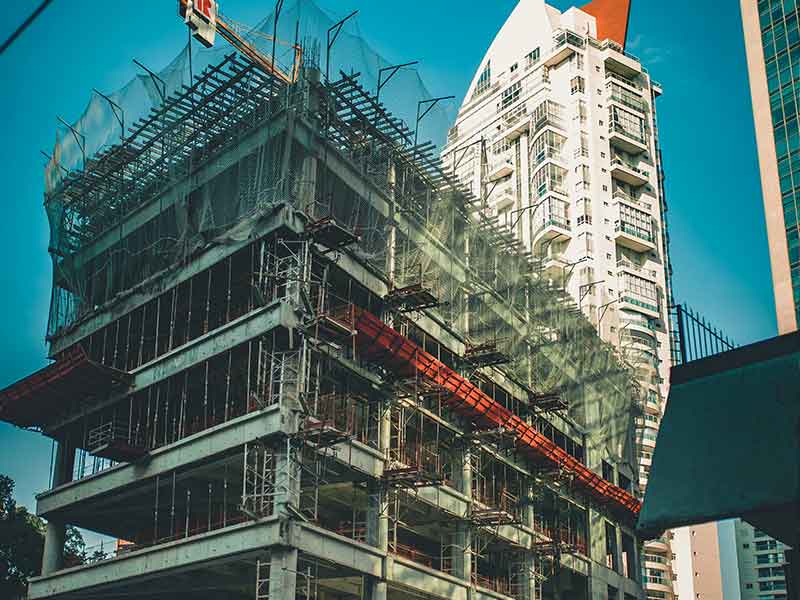
Buildings are a major contributor to climate change, accounting for a significant portion of global energy consumption and greenhouse gas emissions. This is largely due to the energy-intensive operations of heating, cooling, and lighting systems, which often rely on electricity generated from fossil fuels.
PurCity tackles this issue by integrating two key approaches. First, we deliver clean, colder air directly into a building's HVAC system. Second, we add significant insulation to the building's structure. Both of these methods work together to drastically reduce the energy needed to heat and cool the building, lowering overall consumption.
By providing cleaner, colder air, we reduce the workload on the building's HVAC systems. This means the units don't have to work as hard to cool the air, leading to a direct and significant reduction in energy consumption. This approach not only saves energy but also lowers the associated CO2 emissions and provides better air quality for the building's occupants.
Adding high-quality insulation is one of the most effective ways to make a building more sustainable. It acts as a barrier, preventing heat from escaping in the winter and entering in the summer. This thermal resistance minimizes the need for HVAC systems to run constantly, leading to substantial energy savings and a reduced carbon footprint over the building's entire lifespan.
Transportation
PurCity's approach to buildings creates a healthier, more sustainable urban environment in multiple ways. We reduce the massive energy demand from buildings, which frees up grid capacity and resources, making it easier for cities to transition to electrified public transportation and charging infrastructure. Additionally, in our process, we clean and filter outdoor air before it is delivered to the HVAC system. This clean air then exits the building through the ventilation system, which helps to improve the overall air quality of the surrounding urban environment by directly removing pollutants.
Urban transportation systems, particularly those that rely on internal combustion engines, are a major source of greenhouse gas emissions. The vast number of cars, trucks, and buses on the road, combined with traffic congestion, contribute heavily to air pollution and the overall carbon footprint of a city.
Absolutely. A more sustainable urban environment can create a positive feedback loop. When cities are more comfortable and energy-efficient due to projects like PurCity's, they become more livable. This can encourage denser, more walkable, and transit-friendly communities, which naturally reduce reliance on individual cars and promote cleaner transportation.
Urbanization
By delivering colder air to buildings and increasing their insulation, PurCity helps reduce the amount of waste heat that buildings release into the atmosphere. This directly mitigates the urban heat island effect, making cities cooler and more comfortable. Furthermore, reducing the demand for cooling helps decrease the energy-related heat generation from power plants.
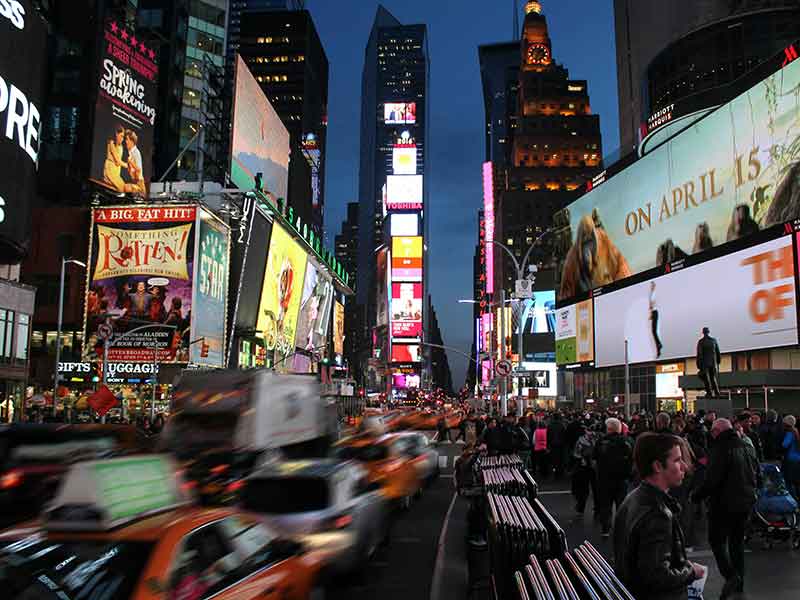
Rapid urbanization often leads to increased energy demand, a higher concentration of emissions, and the "urban heat island" effect, where cities become significantly hotter than their surrounding rural areas. This is caused by the large amount of concrete and asphalt, which absorb and retain heat, and the energy from buildings and vehicles.
The long-term impact is profound. By tackling the energy inefficiency of buildings, PurCity's solutions create a foundation for truly sustainable urban growth. It ensures that as cities expand, their energy consumption per capita decreases, making them more resilient to climate change impacts and better prepared for a clean energy future. The improved air quality and thermal comfort also lead to a higher quality of life for all urban residents.
 AI Assistant