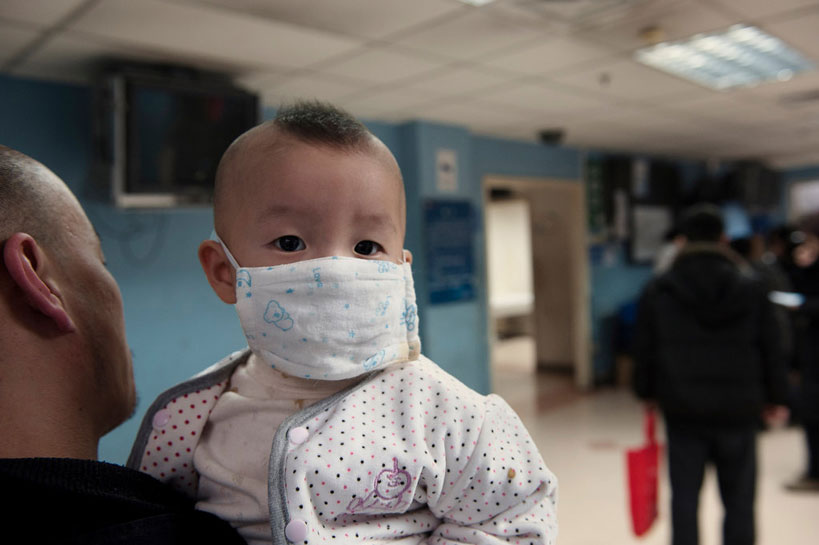
AWARENESS is more important than the PROBLEM. Understanding the danger of exposure to indoor air pollution is the first step towards staying healthier.

It is an undeniable fact that air pollution is one of the most serious environmental issues that seriously affects human health. Certainly, bio-products of burning fossil fuels, vehicle exhaust, power plants, and industrial developments are some of the main reasons for poor air quality outdoors.

But what about indoor pollution? Is it really safer to stay inside our homes? While people tend to believe they are protected from the toxicity of the urban lifestyle, indoor air quality is, in fact, often more hazardous than we think.
Indoor Air Quality refers to the pureness of the air within and around buildings and structures. It directly relates to the health and safety of the people living in those buildings. While many believe the air quality indoors is better than outdoors, statistics show that indoor air quality is often significantly worse.

Why? Poor ventilation is a major culprit. Other factors include the use of chemical materials with toxic emissions (e.g., spray glass cleaners), dust, and fumes from ovens and gas stoves. Indoor air quality is determined by various factors like the level of ventilation, temperature, and humidity, or the use of cleaning materials containing toxic elements. Cooking with wood, charcoal, coal, and gas leads to the emission of dangerous gases including SO₂, NO₂, and PM 2.5. Additionally, cleaning chemicals, paint, low ventilation, dust, and even pets can lead to extremely high levels of toxic air.

 AI Assistant

